ESSENCE OF BEING
ESSENCE OF BEING
Day 7 - Meeting a Memory (ERPT-Informed) + Compassionate Presence
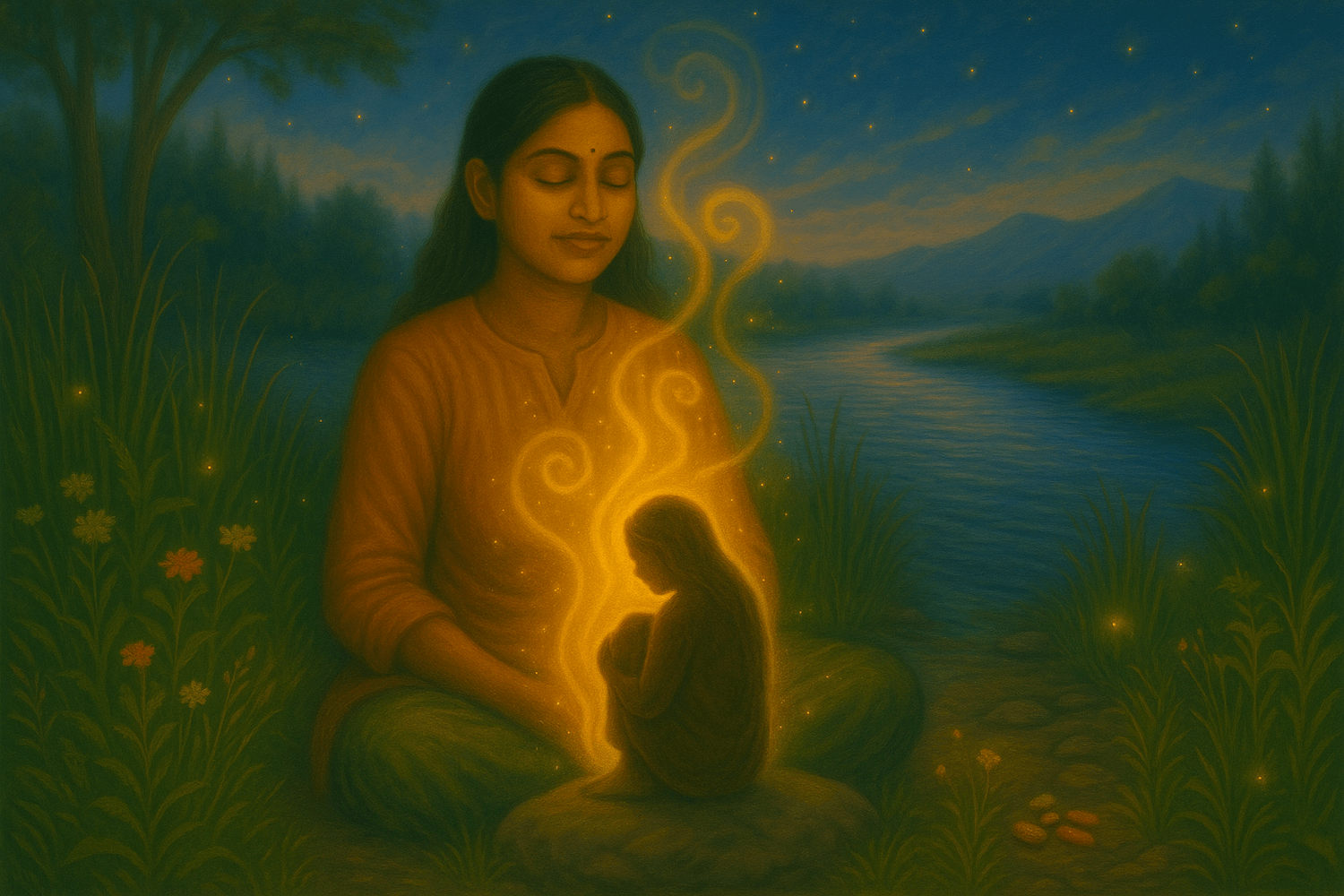
Why This Matters Now
As ceremony draws near, you may notice more of your inner world surfacing - old memories, emotional triggers, or conflicting voices inside.
Ayahuasca often brings these parts to the surface in vivid, undeniable ways.
Without preparation, this can feel overwhelming. With preparation, it becomes an opportunity for healing.
In our work, we use an approach called Embodied Relational Parts Therapy™ (ERPT) - an IFS-informed but simplified way of working with the different “parts” of ourselves.
Unlike traditional IFS, which can get lost in naming dozens of inner parts, ERPT keeps it direct, embodied, and relational.
It helps you recognise the parts of you that arise in the moment, meet them through the body, and bring them into relationship with awareness.
The aim is not to “fix” or “get rid” of parts, but to learn how to meet them with compassion - so that in ceremony, instead of battling your inner world, you know how to hold it.
Teaching & Meditation: All Parts Have a Purpose
Meeting a Memories (ERPT-Informed)
Every part of you has developed to protect or support you in some way. The critic may try to keep you from failing.
The angry part may rise up to defend your boundaries. The numb part may shut down so you don’t feel overwhelmed.
These parts are not mistakes - they are strategies your system created to survive. But in adult life, they can become rigid, repeating the same patterns even when they no longer serve you.
Ayahuasca often shines a light on these protective parts. It may bring up the scared child, the punishing critic, the vigilant protector, or the part that wants to avoid everything.
If you try to resist them, the experience can become more difficult.
If you welcome them, the experience becomes an opening.
The key is this: every part is trying to help, even if its methods are outdated. Meeting them with compassion allows them to soften, and it allows you to experience yourself more fully.
Reflection & Journal Prompts
Now that you’ve completed today’s meditation, here’s a simple way to deepen the experience.
Use the reflection prompts below to explore what you noticed and how it felt. Take a moment to write down your answers or screenshot them so you can revisit them later in the day.
There’s no right or wrong - it’s simply about staying connected to the insights from your practice and letting them continue to unfold as you move through your day.
What part of me showed up in today’s practice?
How did it feel to meet this part with compassion rather than judgement?
How might my ceremony change if I welcomed my parts instead of resisting them?
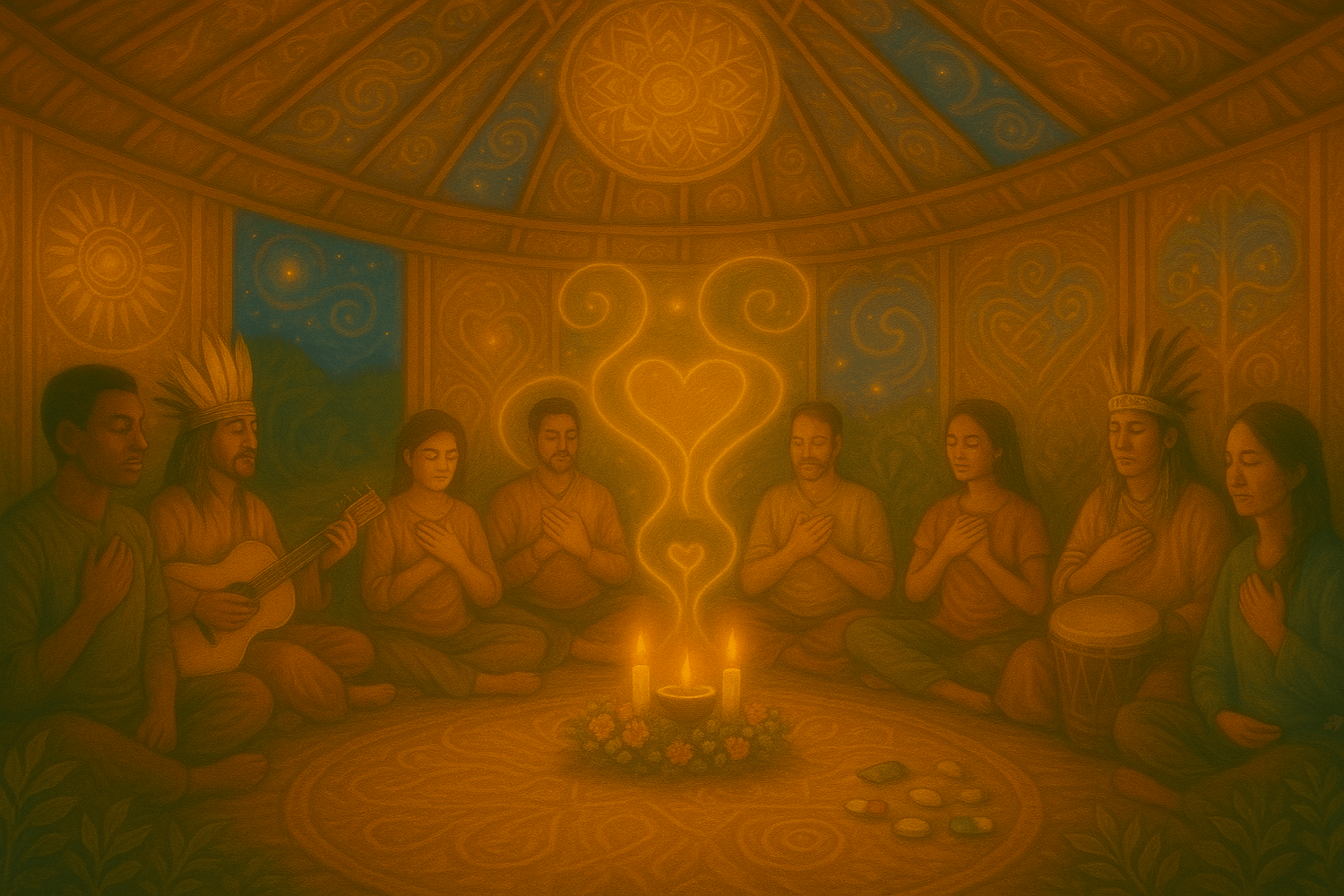
Compassion in Ceremony
If a part shows up in ceremony:
Name it: “This is my critic.” or “This is fear.”
Thank it: “Thank you for trying to protect me.”
Hold it: Place a hand on your heart, breathe, and allow it to be here without pushing it away.
This turns fear into connection, and resistance into trust.
Daily Rhythm Suggestion
Morning :Meeting a Memory (ERPT-Informed)
Daytime: Pause and ask: “Which part of me is here right now?” Notice without judgement.
Evening: Journal for 10 minutes: “Today I noticed a part of me that…”
Closing Note From Nik
All of your parts/memories belong. Even the ones you’ve tried to avoid are simply trying to keep you safe.
By meeting them with compassion now, you’re preparing to meet them in ceremony with courage and love.
“When I finally stopped rejecting the parts of me I didn’t like, I realised they only wanted to be seen. That was the beginning of real healing.” - Client testimonial
Tomorrow we will build on this by practising Compassion for Parts - learning how to hold even the hardest parts with warmth and kindness, supported by the practice of evening silence.