ESSENCE OF BEING
ESSENCE OF BEING
Day 8 - Compassion for Memories (ERPT-Informed) + Evening Silence
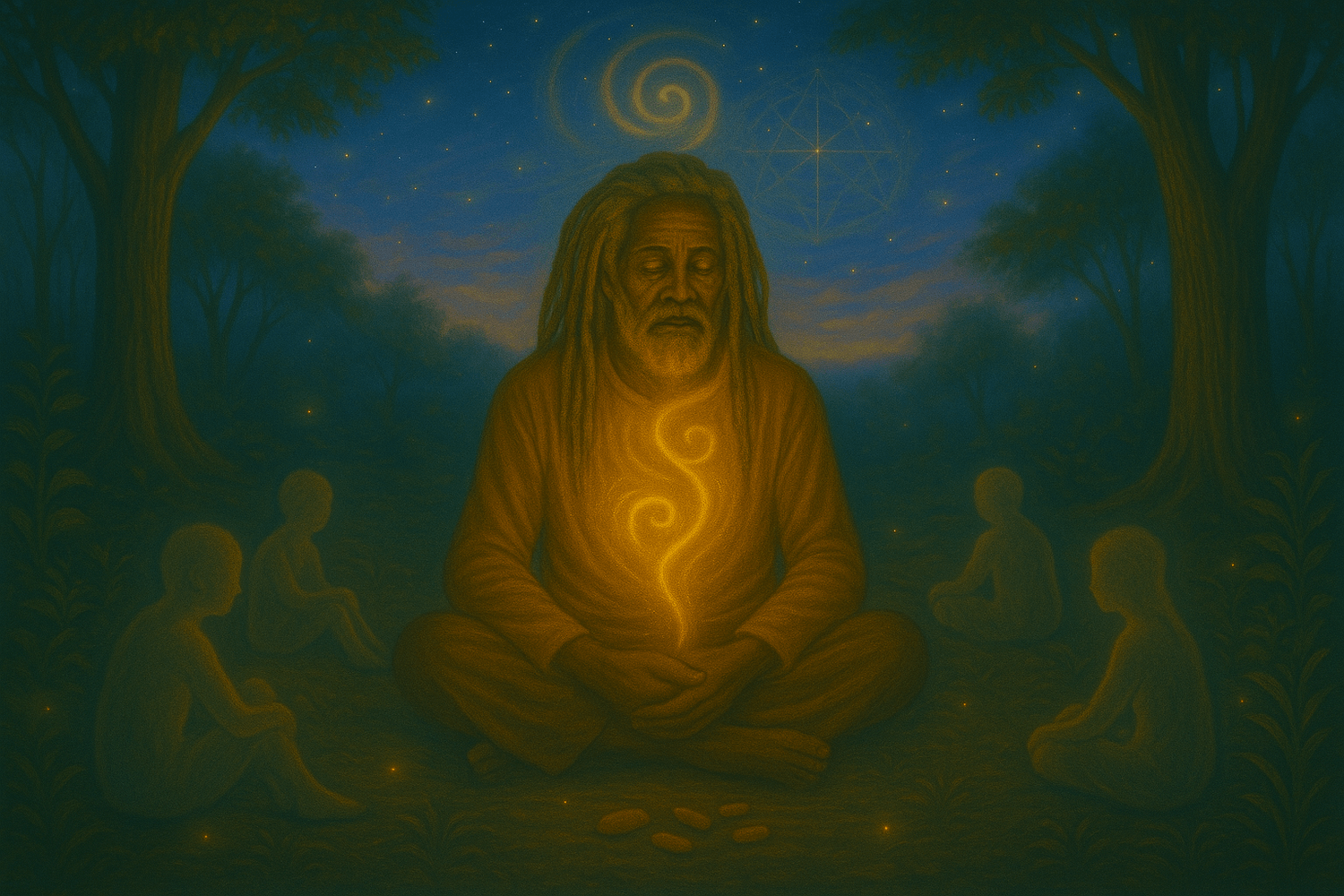
Why This Matters Now
Yesterday you practised Meeting a memory - learning to notice and acknowledge the different parts of yourself with curiosity.
Today we go further: cultivating compassion for those parts, especially the ones you usually resist or reject.
Many of us carry parts we would rather not face - the angry one, the critic, the addict, the one that shuts down.
These parts often carry pain, shame, or fear. Our instinct is to push them away. But what we resist tends to grow stronger.
Embodied Relational Parts Therapy™ (ERPT) teaches us that these parts don’t just live in the mind. They show themselves in the body - in tension, breath, posture, or nervous system patterns.
By bringing awareness and compassion to them, we allow suppressed emotions to be felt and released, rather than endlessly recycled.
Ayahuasca often brings these parts forward in ceremony. Instead of being caught in fear or resistance, you can practise meeting them now - through compassion and embodied presence - so they become allies in your healing.
Teaching & Meditation: Compassion With Depth
Compassion for Memories (ERPT-Informed)
ERPT reminds us:
All memories/parts have purpose. Even the critic or the angry part is trying to protect you.
Trauma lives in the body. These parts often show up as tightness in the chest, shallow breath, hunched shoulders, or tension in the jaw.
Compassion is not indulgence. Meeting these parts with kindness does not mean excusing harmful behaviours. It means recognising the protective role it plays, so it can soften and let go.
Compassion and challenge go together. Sometimes a part also needs to be asked, “What are you avoiding?” or “Is this still helping?” This balance keeps compassion real and transformative.
Reflection & Journal Prompts
Now that you’ve completed today’s meditation, here’s a simple way to deepen the experience.
Use the reflection prompts below to explore what you noticed and how it felt. Take a moment to write down your answers or screenshot them so you can revisit them later in the day.
There’s no right or wrong - it’s simply about staying connected to the insights from your practice and letting them continue to unfold as you move through your day.
What part of me did I bring compassion to today?
What happened when I offered warmth instead of rejection?
In evening silence, what arose in me, and how did I respond?

Evening Silence Practice
Tonight, spend time in silence before bed(30-60 mins).
Turn off your phone and screens.
Sit quietly, maybe with a candle.
Allow the day to settle. Notice what arises when there’s no distraction.
If a part surfaces, practise what you learned: see it, thank it, offer compassion.
Silence is fertile ground where hidden parts often emerge. Meeting them here prepares you to welcome them in ceremony with the same compassion.
Daily Rhythm Suggestion
Morning: Compassion for Memories (ERPT-Informed)
Daytime: If a difficult part surfaces, pause, place a hand on your body, and say: “I see you. Thank you.”
Evening: 30–60 minutes of silence, followed by journaling what arose.
Closing Note From Nik
Compassion is not a soft escape - it’s a powerful act.
When you meet even the hardest parts of yourself with warmth, you transform the inner battlefield into a place of connection.
This doesn’t mean the part disappears; it means it no longer dominates you.
Ayahuasca may bring forward these very parts. By preparing now, you’ll be ready to meet them not with fear, but with presence and love.
“When I finally brought kindness to the parts of myself I hated, I realised they had only been trying to protect me. That changed everything.” - Client testimonial
Tomorrow, we’ll turn toward intentions - learning how to hold them lightly, like seeds you plant in the soil of ceremony, without clinging or control.